Wednesday, 29 August 2007


"Many people say the Queen is German, but as a percentage, how German actually is she?"

Strange questions are asked on the internet. The headline above was one of them. A simplistic answer could name all her ancestors and separate them into different nationalities. But this would be nonsense, because the Royal Families of Europe are all related to each other. None of them "belongs" to a particular nation, but all serve the nations they were put in with dedication and passion.

How many generation do you have to live in a country to be recognized as a "native"? Nationalism is a comparatively new concept that came with the French Revolution and has been poisoning international relations ever since.

Kings of the House of Hanover ascended the British throne in 1714, the last direct descendent of the Hanoverian Kings was Queen Victoria who married Prince Albert of Saxe-Coburg-Gotha. Nobody would deny that Queen Victoria was as British as you can get - an era was named after her. The British Empire was mainly created during her reign and reached its greatest extent under her grandson, King George V. Who would deny the services rendered to the British people by these Monarchs? And even the undoubtedly German Prince Albert wholeheartedly dedicated his life to his new country. He became the advocate of Britain's industrialisation, most notably through his dynamic support and work for the 1851 International Exposition, the benefits of which continue to be seen in the Victoria and Albert Museum and Royal Albert Hall.

The British Royal Family - and especially Her Majesty - are considered as the living symbols of "Britishness" abroad, strangely enough this is put in doubt by some British nationalists who call them "German". I never noticed that speaking in "Best Queen's English" meant speaking it with a German accent.

Should the nationalists' concept apply to everyone, no migrants or their descendents since the early 18th century would ever stand a chance to be called British, neither the Conservative politicians Michael Portillo and Michael Howard, who are second generation migrants, nor any migrant from the Indian subcontinent, the Caribbeans or Africa. And the only “true” Australians would be the Aboriginal people. All settlers who came after 1788 could never gain the status of “legitimate” citizens if the concept that the die-hard British nationalists try to impose on our Royal Family was applied to the vast majority of the Australians.

Monarchs have served their respective countries very well. The Russian Tsaritsa Catherine the Great was neither born in Russia nor was she a Romanov, yet she was a moderniser of the Russian Empire and her image has been experiencing a renaissance in recent years. That is equally true for "imported" Monarchs in Bulgaria, Romania, Greece or Norway, to name only the best known examples.

The same concept applies for the Queen of Australia, who also holds the office of Queen of the United Kingdom and Northern Ireland, Canada, New Zealand, Papua-New Guinea, and other countries. As a Monarch she is neither a citizen of the UK nor of any other of her realms. A Monarch not only is above party lines, but also above borders and frontiers. THAT is globalisation at its best. I want to see more of a world wide co-operation like this one that benefits the peoples of the Commonwealth.

Monday, 20 August 2007

The Age - again

You can bet that the Melbourne broad sheet daily The Age never misses an opportunity to denigrate the monarchy. This time they mocked the fact, that 787,000 people watched the documentary "The Queen's Castle" on a commercial channel:

20/8/2007 - HE USED to be Australia's media watchdog, but Professor David Flint isn't much of a tastemaster. The national convener of Australians for Constitutional Monarchy emailed supporters urging them to tune into Channel Eddie's The Queen's Castle last week. But while 1.61 million tuned into Channel Seven's Border Security and Ten's Australian Idol drew a national audience of 1.44 million, just 787,000 Lizzie-lovers watched Nine. Even SBS topped that with Top Gear. And more good news for whoever runs the network, with a Flint suggestion to broadcast Trooping the Colour. "After all," he writes, "German audiences had more than one opportunity to see this, and they live in a republic." Flint pointed out that royal programs rate "very well" and "are probably not expensive to acquire" before giving the Sydney station's phone number. You can watch the The Queen's Castle tonight. Or … not.
http://www.theage.com.au/news/national/vincent-van-somebody/2007/08/19/1187462085298.html


My comment to the paper:

I take from you today's comment that you have doubts about David Flint's remarks about the huge success broadcasting "Trooping the Colour" has in Germany.

Since 1977 ARD, the German equivalent of the ABC, has been broadcasting live the parade in honour of Her Majesty with great success . Do you think they'd do that if nobody was interested? It is even repeated twice, once just before midnight and the following day on Phönix, der Ereigniskanal (The Event Channel).

If you know German, have a look yourself:

http://daserste.ndr.de/royalty/grossbritannien/2007/t_cid-4040644_.html

What a great pity we Australians have less opportunity to watch the Queen of Australia on TV than the citizens of the German republic.

Here's last year's announcement:

http://www1.ndr.de/unternehmen/presse/pressemitteilungen/ndrpr4766.html

But back to The Queen's Castle...only 787,000 viewers.....not bad for a repeat and for a programme available at most good DVD shops!

One wonders if you have ever watched either programme. The Queen's Castle is actually a very interesting documentary about how the royal house is run on a day to day basis. Pity then that the Australian edition is revoiced and cut down from the BBC original!

Monday, 30 July 2007

New Victorian Premier swears the Oath of Allegiance ...

... but nobody could see or hear it. The commercial Channel 9 snipped the Oath of Allegiance of Premier John Brumby before he could say "Queen Elizabeth II, Queen of Australia, her Heirs and Successors". ABC Victoria mentioned the ceremony at the Governor's Residence, but didn't even go as far as Channel 9 and convince itself to show the start of the Oath of Allegiance.

All too familiar. The Queen is blended out of the political life in Victoria. And even when the new Premier swears the Oath of Allegiance, it is to the public as if it never had happened. Do they think nobody noticed that the Premier will go back to his office and break his Oath of Allegiace? What else is the advocation of a republic?

Saturday, 28 July 2007

Pro-republican bias of the Australian media

This is usually an English blog. However, I was asked to explain to a German audience the situation of Monarchists in Australia. The unashamedly pro-republican bias of all Australian media is a phenomenon that is hard to explain to Germans. Republicans may think that the Monarchy is outdated, which is a point of view not shared by Monarchists, who - after all - won the 1999 referendum. However, this victory has never been accepted by the media, Monarchists and the Monarchy hardly get a fair go in the newspaper colums and the TV news. The nearly total 100 percent support Australian journalists give to the cause of a republic is not compatible with an objective and neutral news coverage that a German audience expects from its media.

A slightly shorter version of the article below was published in “Corona No. 12” (corona_redaktion@yahoo.com). In case you are interested in a translation, please contact me.


Medienpolitik – Politik der Medien

Glaubt man die Aussagen der Anhänger des bundesrepublikanischen Systems, dann fallen einem Grimms Märchen ein: „… und alle lebten glücklich und zufrieden bis an ihr Lebensende.” Die republikanische Staatsform scheint ein perfekt funktionierendes Gemeinwesen hervorgebracht zu haben, zu dem, so wird bestimmt, es keine Alternative gibt. Der Endpunkt der Glückseligkeit.

Wie man ein bestehendes System den Menschen, die eigentlich ganz gut mit ihm gefahren sind, vermiest, zeigt Australien, wo 1999 die Republikaner in einem Referendum den Monarchisten unterlagen. Das hindert sie aber nicht, den Wechsel zu einer Republik als „inevitable“ (unvermeidlich) zu proklamieren. Sie sind sich zwar nicht einig, welche Art von Republik an die Stelle der Monarchie treten soll, aber sie wissen: Sie können immer wieder Anläufe unternehmen, um die Monarchie abzuschaffen. Die Anhänger der Monarchie brauchen nur einmal zu unterliegen und sie erhalten keine zweite Chance.

Deshalb ist es interessant zu untersuchen, wie man die Festung sturmreif schießt.

Grundregel Nummer 1 lautet für die australischen Medien: Berichte nur Negatives über die Monarchie oder die königliche Familie. Wenn die Namen der Mitglieder des Hauses Windsor genannt werden, dann immer nur im Zusammenhang mit Skandalen – oder dem, was die Journalisten glauben, daß die Leser/Zuschauer dafür halten. Jüngst wurde gemeldet, daß Prince Charles im vergangenen Jahr mit seinen wirtschaftlichen Aktivitäten eine Million Pfund mehr eingenommen habe als im Vorjahr. In einer Gesellschaft wie der australischen, wo soviel Wert auf materiellen Verdienst gelegt wird, sollte dies eine positive Nachricht sein. Und daß der Fürst von Wales 40% Steuern bezahlt, müßte eigentlich Mitleid erregen bei allen, die geschickt Schlupflöcher ausnutzen. Doch für den Thronfolger gelten andere Regeln. Zwar wird zugestanden, daß der Prinz nicht vom Steuerzahler für seine Arbeit entlohnt wird, sondern seine Ausgaben mit Einkünften auf dem Herzogtum Lancaster bestreitet, aber dies ruft nur Neid hervor. Dabei wird geflissentlich verschwiegen, daß die Überschüsse, die Prince Charles, seine Frau Camilla und die beiden Söhne William und Harry nicht für ihren Einsatz und Lebensunterhalt aufwenden, in die Stiftungen des Prince of Wales einfließen.

Prince Andrew, der Herzog von York, steht auf der Civil List der Königin, mithin wird er vom Steuerzahler finanziert. Ihm wird zur Last gelegt, er sei ständig unterwegs. Die Medien verliehen ihm dafür den zweifelhaften Titel eines „Meilenkönig“ der königlichen Familie. An den Vorwürfen ist wahr, daß Prince Andrew mehr Flugkilometer zurücklegt als alle anderen und deshalb auch bei den Reisespesen eine Spitzenposition einnimmt. Doch er ist seit 2001 Sonderbeauftragter des Vereinigten Königreichs für internationalen Handel und Investitionen, was natürlich mit vielen Reisen verbunden ist. Ein Blick auf seine Webseite (http://www.royal.gov.uk/output/Page5766.asp) könnte den Kritikern zeigen, wohin ihn seine Flüge führen. Um einen solchen Repräsentanten der britischen Wirtschaft würden sich andere Länder reißen. Wem sonst stehen buchstäblich alle Türen offen? Stattdessen werden kleinkrämerisch die Flugkilometer addiert und man blickt neidisch auf die angeflogenen Länder, ganz so, als seien die heruntergerissenen Flüge das Nonplusultra des Vergnügens.

Niederschlag in den australischen Medien fand auch die Bitte Ihrer Majestät, die britische Regierung möge außerhalb der Civil List eine Million Pfund für dringende Renovierungsarbeiten an Buckingham Palace bewilligen. Die Bitte wurde abgeschlagen und ganz flotte Leserbriefschreiber empfahlen der Königin, doch eines ihrer Gemälde auf den Markt zu werfen, als seien sowohl der Palast wie auch die Kunstschätze darinnen ihr Privateigentum. Vielleicht sollte sie Buckingham Palace den Tourismusbehörden anbieten, denn kaum ein Wahrzeichen Londons wird so oft besucht und photographiert wie der Amtssitz (!) der Königin.

Grundregel Nummer 2: Berichte nur Triviales. Ein mitteilungssüchtiger Hausangestellter wird sich leicht finden lassen, der den Medien gegen Bares irgendwelche „Enthüllungsgeschichten“ ausplaudert. Jüngst machte ein Buch des Kochs der Königin Schlagzeilen und wie es sich für klassisches Küchengewäsch gehört, hatte der Herr der Töpfe nichts als Belanglosigkeiten über die kulinarischen Vorlieben und Abneigungen zu berichten. Sicherlich hätte auch der Chefkoch des Weißen Hauses einiges zu sagen, wenn man ihn ließe oder wenn er einen Verleger fände.

Im gleichen Zeitraum, da diese Nichtigkeiten in Australien Schlagzeilen produzierten, eröffnete die Queen die neue Sitzungsperiode des schottischen Parlaments und sie hielt dabei eine bemerkenswerte Rede, über die aber ebenso wenig berichtet wurde wie über ihre Ansprache an die neugewählten Abgeordneten der walisischen Versammlung oder ihren Anteil an der Regierungsbildung ihres neuen Premierministers Gordon Brown. Deshalb lautet Grundregel Nummer 3: Erwähne nie die verfassungsrechtlichen Aufgaben der Monarchin, so daß niemand bemerkt, welche staatspolitischen Aufgaben erfüllt werden.

Bezug zu Australien?
Ist jemandem aufgefallen, wie wenig all diese Themen mit Australien zu tun haben? Macht nichts. Auf jede dieser Veröffentlichungen reagieren LeserInnen mit dem Hinweis: „It’s time to cut ties with Britain. It is time to be independent.“ Niemand in Deutschland würde bezweifeln, daß Australien ein unabhängiger Staat ist. Wenn das Land abhängig ist, dann von den USA, aber nicht von den Anweisungen der Regierung Ihrer Majestät in London. Keiner der Protestierer geht auf die Tatsache ein, daß weder die Königin noch ein Mitglied der königlichen Familie ein Gehalt vom australischen Steuerzahler beziehen. Dem Neidkomplex genügt es, wenn solche Geschichten aus Großbritannien downunder genüßlich breitgetreten werden. Die veröffentlichten Berichte drehen sich um die königlichen Finanzen, Beziehungskrisen – vermeintliche und wirkliche -, Mißgeschicke und Alltagsbanalitäten.

Und wenn wirklich australisches Geld ins Spiel kommt, zum Beispiel bei Aufenthalten der Königin in Australien, wird die Volksseele hochgekocht. Dann rechnen die Kommentatoren jeden Cent nach und wissen doch das Ergebnis im vorhinein: VIEL zu teuer! Gleichzeitig schreiben sie aber auch, daß die Monarchie nicht relevant sei, denn man sehe ja die Königin viel zu selten. Und im übrigen würde sie auch keiner mehr sehen wollen. Bei ihrem letzten Aufenthalt in Australien, im März 2006, nannte kein einziges Print- oder elektronisches Medium Ort und Zeitpunkt, wo die Begegnung der Monarchin mit ihrem Volk möglich war. Es erforderte einiges Suchen im Internet, um an diese Informationen zu gelangen. Die öffentlich-rechtliche ABC schaffte es gar, den mehr als 24-stündigen Aufenthalt Königin Elizabeths in Melbourne auf ganze 15 Sekunden in den Hauptnachrichten einzudampfen. Und davon waren noch 7 Sekunden den protestierenden Aborigines gewidmet, die die königliche Präsenz dazu nutzten, auf ihre Anliegen aufmerksam zu machen. Die Fernsehberichterstattung war meilenweit vom Beispiel des WDR entfernt, der im November 2004 beim Staatsbesuch der Königin in Nordrhein-Westfalen fast ununerbrochen die Königin live ins Haus brachte.

Mit Grundregel Nummer 4 greifen die australischen Medien ganz tief in die Mottenkiste: Werde emotional. “It will break my heart if I don't die in the Republic of Australia.” Es triefte nur so vor Rührung in einem Meinungsbeitrag, den die Melbourner Tageszeitung The Age zwei Tage nach dem Queen’s Birthday Feiertag am 13. Juni 2007 veröffentlichte. “How embarrassing is it that we aren't a republic? I cringe when I meet folks from abroad and they realise that we are still part of the Commonwealth.” Und so schnulzt sich die Dame, deren Namen wir aus Höflichkeit lieber nicht nennen, auf einer Viertelseite durch die Vorurteile. Und träumt im Schlußsatz davon, daß ihr das Herz breche, wenn sie nicht in einer Republik sterben kann. Eigentlich müßte sie ja schon seit Jahrzehnten tot sein, denn Australien kannte seit 1788 nichts anderes, als die monarchische Staatsform.

Rationale Monarchisten versus emotionale Republikaner
Monarchisten argumentieren zu rational mit all den verfassungsrechtlichen Vorteilen, die ein parteiunabhängiges Staatsoberhaupt hat. Republikaner setzen dem nur Ressentiments entgegen. Doch um der Gefahr zu entgehen, daß Republikaner doch von den Einwänden überzeugt werden könnten, greift Grundregel Nummer 5: Laß in Debatten nur Anhänger der Republik zu Wort kommen. Erzeuge damit den Eindruck, die ganze Nation sei ja eigentlich schon auf dem Republiktrip, bloß du begreifst das nicht. Medien und die meisten Politiker marschieren so Arm in Arm der Zukunft zugewandt. Die paar monarchistischen Politiker, die es in der Liberalen oder der Nationalen Partei noch gibt, werden als völlige Reaktionäre dargestellt, die eben nicht auf „das“ Volk hören. Die Australian Labor Party hat keine monarchistischen Dissidenten, denn wer dort gegen die offizielle Parteidisziplin verstößt, wird ausgeschlossen. Soviel zum Thema „innerparteiliche Demokratie“.

Hat man schon das Referendum nicht gewonnen, läßt man die Monarchie in Australien eben leise sterben. Grundregel Nummer 6 empfiehlt, die Symbole der Krone zu entfernen. Sie werden in den Medien nicht mehr erwähnt. Wer noch einen Adelstitel trägt, dem entziehen die Medien den Ritterschlag. Die Krone fehlt nun an Brücken, auf Gedenkplaketten, in offiziellen Büros. Die Landespolizeichefin von Victoria ordnete an, das Portrait der Königin in den Amtsstuben abzuhängen, um stattdessen – eines von sich selbst anzubieten. Den hohen juristischen Rang eines Queen’s Councillors (QC) ersetzte man durch einen Senior Councillor (SC). Klingt ja auch gleich viel bedeutender, nicht wahr? Als ob es nicht schon vor Senior Managern wimmeln würde. Die Medien unterstützen das Abschneiden dieser alten Zöpfe.

Da Monarchisten in Australien keinen Zugang zu den Massenmedien haben, bleibt ihnen als einzig wirksames Gegenmittel die Veröffentlichung eigener Informationsblätter und das Internet. Während sie im Printmedienbereich nicht sehr erfolgreich sind, stellen die elektronischen Medien durchaus ein Gegengewicht dar.

Bei allem Bemühen der Republikaner, die monarchistischen Landsleute ins Aus zu stellen, ist es erstaunlich, daß sich die Zahl der Befürworter der Krone seit dem Referendum 1999 nicht nach unten entwickelte, sondern ganz im Gegenteil sogar stieg. Die Australier haben ein gesundes Mißtrauen gegenüber Politikern, für die sie stimmen müssen, denn es besteht Wahlpflicht. Wenn also die Politiker die Republik unisono für eine grandiose Errungenschaft halten, wecken sie eher die Skepsis des Durchschnittsaustraliers.

Ob diese überkommene Distanz zu den Politikern auch in einem weiteren Referendum zum Tragen kommen wird? Bei den Parlamentswahlen, die in diesem Jahr noch stattfinden müssen, könnte nach zehn Jahren die Labor Party an die Schaltstellen der Macht zurückkehren. Premierminister in spe, Kevin Rudd, erklärte zwar, die Republik sei ganz tief auf seiner Prioritätenliste angesiedelt, doch erwarten alle Beobachter erst ein in der Verfassung nicht vorgesehenes, deshalb unwirksames Plebiszit und anschließend ein Referendum, das die Monarchiefrage endgültig klären soll. Gewinnen dabei erneut die Monarchisten, könnten sie für vielleicht zehn Jahr Frieden haben. Aber die Republikaner werden weiter an ihrer Demontagearbeit festhalten. Die Grundregeln 1 bis 6 erlauben keine Pause.

Tuesday, 24 July 2007


The King is dead - Long live the King of Afghanistan

So Hamid Karzai outlived the King.

His Majesty Al-Mutawakkil Allah, Pairaw ud-din-i-Matin-i-Islam Muhammad Zahir Shah, King of the God granted Kingdom of Afghanistan and its dependencies died 23rd July 2007 aged 92. Does this give Mr. Karzai a better legitimacy to rule the country as president? The best he could do to keep the Taliban forces at bay is to declare Crown Prince Ahmad Shah Khan next King of Afghanistan.

Only a monarch of Royal House of Afghanistan has a chance to unite the country. The more ISAF troops will be sent in, and the more efforts to control the country will be taken, the more the Afghans will resist against - as they see it - “foreign invaders and occupiers”.

In the eyes of many Afghans Mr. Karzai is only president in name, because they regard him as an instrument of the Americans. The situation has deteriorated in recent months. What Afghanistan needs is not more troops under the US command, but a really unifying figure: A KING!!

Monday, 23 July 2007

The Age: No Scandal? Let's make one!

Melbourne’s newspaper The Age can't help it. Whenever they report on our Royal Family, the paper must do it in a mean and distasteful way.

On 20th July The Daily Mail reported on the gift Prince Charles had presented to his wife, the Duchess of Cornwall: A rare-breed ram and ewe. The Prince of Wales is patron of the Rare Breeds Survival Trust, a very important task in the times of a globalised world market, where more and more local breeds become extinct.

The Age doesn’t provide this background, but instead they ridicule the Prince’s birthday present for his wife and illustrates the article by using a not very favourable photo of Prince Charles.

The Daily Mail’s article was not a very friendly one, but The Age’s editing made the news of the Duchess of Cornwall’s 60th Birthday just another contemptuous jigsaw puzzle in paper’s fight against the Australian Monarchy.

Mean, gentlemen, very mean.

http://www.dailymail.co.uk/pages/live/articles/news/news.html?in_article_id=469806&in_page_id=1770

http://www.theage.com.au/news/world/a-princely-gift/2007/07/21/1184560091555.html

Thursday, 19 July 2007

No Scandal - No Coverage

On 17th July 2007, Camilla, the Duchess of Cornwall celebrated her 60th Birthday. This event was widely ignored by the Australian media. In the daily birthday column The Age celebrated the 55th Birthday of David Hasselhoff, US actor and singer, instead . The wife of the future King of Australia was mentioned nowhere in Melbourne’s leading newspaper.

It is patronising how the media decide what’s of interest to the audience and what isn’t. Although TV ratings demonstrate a constant high level of interest in “royal topics”, print media cover anything positive connected with the Royal Family with silence. If they cannot ignore events like the christening of the Danish Princess Isabella, they do it with obvious uneasiness. The Age: “Princess Isabella, recently christened babe of retired real estate agent Mary Donaldson, and gifted with gilded apple pips by the crown prince of Tamar Ridge – oops, Tasmanian Premier Paul Lennon. But also understand that there’s nothing much more meaningful to know about any of them.” (Natasha Cica, The Age, 11th July 2007).

News is not what happens or what people want to know, but news is what some journalists and their bread givers decide is worth knowing. And obviously royal news is not what they want to report.

Australian journalists may not like the monarchy, but they have to accept that in an open and free referendum in 1999 the majority of the Australian people said “No to the republic”. Would that infer that there is at least a certain portion of the subscribers of Melbourne’s only quality newspaper who wish to read news items on the Australian Royal Family? Obviously the daily thinks that any mentioning of the Royal Family could hurt the republicans. Their reaction seems to be so frightful that nobody dares to upset them. Of course scandals, or what some may consider to be scandals, are always worth reporting. “Bad news is good news”’ is the journalists’ motto. And reporting scandals concerning members of the Royal Family doesn’t seem to upset The Age’s agenda.

Long live the freedom of information.

Here are links to reports on the 60th Birthday of Camilla, Duchess of Cornwall.

http://www.princeofwales.gov.uk/newsandgallery/news/trh_visit_wiltshire_on_the_duchess_of_cornwall_s_60th_birthd_1996807299.html

http://living.scotsman.com/people.cfm?id=1111212007

Saturday, 27 January 2007

As "un-Australian" as only republicans can be!


As could be expected on Australia Day, The Age gave space to another republican columnist. Ted O'Brian, national chairman of the Australian Republican Movement, tried to portray the Queen of Australia as “un-Australian”. Being of German origin this term reminds me of a not so glorious time in German history when being styled “un-German” could be a death sentence. I am sure Ted O’Brian didn’t have that in mind, because republicans tend to have a rather narrow perspective when it comes to historic parallels.

In his opinion piece (http://www.theage.com.au/news/opinion/our-leader-the-queen-how-unaustralian/2007/01/25/1169594429539.html) he doesn't give us a a clue as to what kind of republic he wants for Australia. He could only – and not for the first time – tell the readers why he was against the Australian monarchy.

And of course he didn’t refer to existing republics and their faults.

I recall three recent and very appalling failures of republican rule:

The president of Israel, Moshe Katsav, was asked to step down due to allegations that he raped up to ten women. He refused and instead asked the speaker of parliament to grant him “temporary leave”. So President Katsav is “on leave”.

He is following ingloriously along the same path as his predecessor who also had to step asided over corruption issues.

In France President Jacques Chirac has initiated a new law that would grant a president immunity from all prosecution “except treason”. Isn’t it wonderful, how a president who got 21 percent of the votes with a turnout of 56 percent of the population controls the French congress (a combined sitting by assemblée nationale and senate)? Laws are passed to make it impossible for any prosecutor to call the president to court. Even as a witness (s)he wouldn’t have to face a judge.

The third example is the US president, who is his own prime minister, trying to explain to Congress how to face the challenges of climate change and the war in Iraq.

He gave a helpless speech demonstrating once again how a partisan head of state divides a nation.

Australia Day is the time to reflect the advantages of our Monarchy. Very correctly Christopher Scanlon (The Age, 25 Jan.) lamented “having put everything up for grabs in the economic sphere … governments feel compelled to bolt down the national culture”.

Thankfully the position as the Australian head of state is not up for grabs.

Let’s face facts! In a republic only multi-millionaires can afford to run for the presidency and they need media support.

Should Rupert Murdoch decide who’ll be Australian president?

I will always prefer a monarch to a handpicked "mate" who is to the liking of the rich few.

Saturday, 12 August 2006

While republicans of all sorts flood the internet, royalists tend to be left without a strong voice. Well, here is one. May be not too strong for the time being, but trying to give a perspective of the world from the monarchist point of view.

I will annoy republicans with comments on current affairs as well as on historic events relevant for us.

These are troubled times, but I guess monarchists have something to say and something to offer as a possible solution for many problems that shake the world.

That's why I call myself "radical royalist" because I am unashamedly in favour of a monarchy - anywhere!

Let's take Afghanistan as an example. It would be a better place if the US had not imposed a former vice director of one of Mr. Cheney's oil companies (Unocal) as president of "Kabulistan", but had instead given the Afghani people the opportunity to have their king back.


The US even prevented discussion about the king's return as head of state in the Loya Jirga despite the very clear desire of many of the representatives of the Afghan people present, even going so far as to falsely announce the King's "wish" not to be head of state, ahead of the meeting.

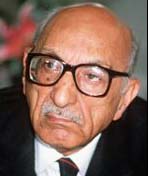
His Majesty King Mohammed Zahir Shah is pictured here.

This reads more like a bad thriller but much of the instability in Afghanistan comes from the failure of this US policy.

"President" Karzai, who has to be guarded by foreign bodyguards, will never hold the respect of the Afghan people in the way the King does.

The core of the present instability lies in the fact that the "warlords" who rule much of Afghanistan, owe no clan or tribal loyalty to Karzai (or his US backers) whereas they certainly do to the King.

This failure is the just the latest example of the so-called democratic regime change imposed by the US on smaller nations to the detriment of those nations and their peoples.

Perhaps because a monarch cannot be owned by foreign interests in quite the same way as numerous dictators supported by the big powers and big companies have been they clearly represent a threat. Nothing like a good dose of "regime change" to sort that out!

So now you know where I stand... a monarchist voice is needed in the world debate to counter the cacaphony of pseudo-intellectual babblings from republicans.

And perhaps a few points to consider:
  • Which monarch murdered 9 million of his people?
  • Which monarch guillotined thousands and drowned thousands more in the rivers?
  • Which monarch initiated the holocaust?

The answer: NONE ...these are the acts of Stalin, Robespierre and Hitler.


This is why constitutional monarchy is URGENTLY NEEDED!